

 See My Latest Article on HelloNation
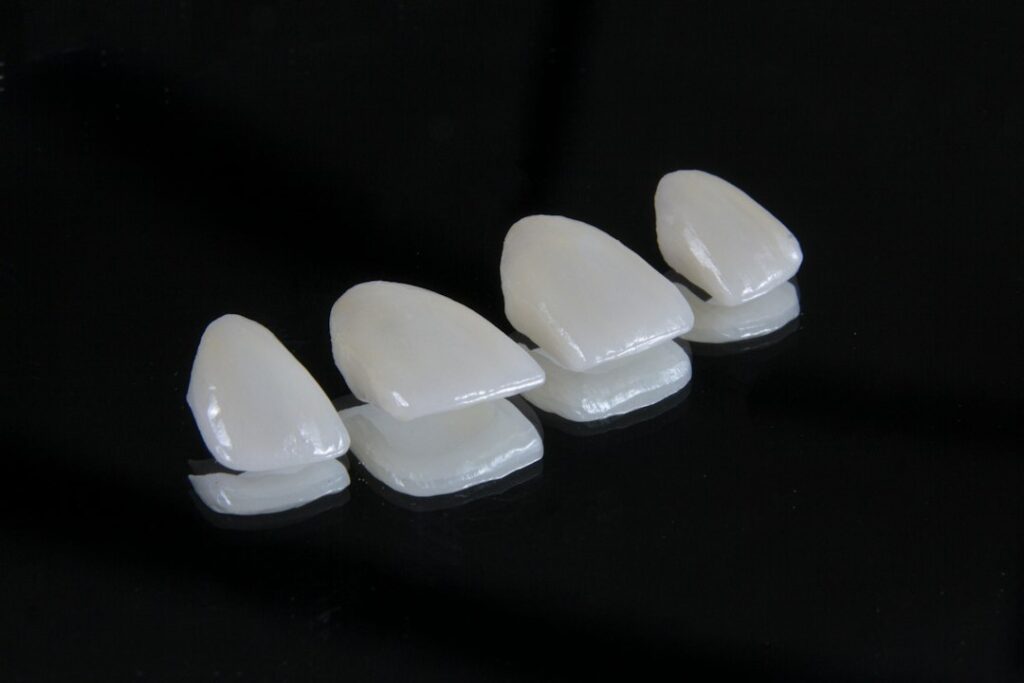
What is a dental crown?
A dental crown is a custom-made covering that fits over most or all of a damaged tooth. It can restore strength, shape, chewing function, and appearance when a filling or other smaller restoration would not provide enough support.
Crowns are commonly used to:
- Protect a cracked or weakened tooth
- Restore a tooth with extensive decay or a large filling
- Rebuild a broken or heavily worn tooth
- Cover a tooth after root canal treatment
- Support a dental bridge
- Attach to a dental implant
- Improve the appearance of a severely discolored or misshapen tooth
A crown is different from a veneer. A veneer usually covers only the visible front surface, while a crown surrounds the tooth more completely.
Which crown materials are available?
The main crown materials are metal, porcelain-fused-to-metal, all-ceramic, zirconia, and resin. Each has different strengths, appearance, durability, and space requirements.
Metal crowns
Metal crowns may be made from alloys containing gold, palladium, nickel, chromium, or other metals. Their main advantage is strength. They tolerate heavy chewing forces, rarely chip, and generally require less removal of healthy tooth structure than many tooth-colored options.
They are often considered for back teeth that are not highly visible. Their metallic appearance is the primary drawback. Anyone with a known metal sensitivity should discuss the specific alloy before treatment.
Porcelain-fused-to-metal crowns
Porcelain-fused-to-metal, often called PFM, combines a metal foundation with a tooth-colored porcelain outer layer. This design offers good strength while appearing more natural than a full-metal crown.
PFM crowns can be used on front or back teeth, but the porcelain layer may chip over time. If enough porcelain wears away, the darker metal underneath may become visible near the gumline. In some cases, the crown can also contribute to wear on the opposing tooth.
All-ceramic and porcelain crowns
All-ceramic crowns are made without a metal substructure. They can reproduce the translucency and color variation of natural enamel, making them a common choice for visible teeth.
These crowns may be especially useful when appearance is a major concern or when avoiding metal is preferred. Their performance depends on the specific ceramic, the amount of remaining tooth structure, the location of the tooth, and the person’s bite.
Zirconia crowns
Zirconia is a ceramic material known for high strength and resistance to fracture. It may be used for both front and back teeth, including areas exposed to substantial chewing pressure.
Some zirconia crowns are highly polished and relatively translucent, while others are more opaque but stronger. The appearance can vary by design and thickness. Zirconia may be a practical option for people who grind their teeth, although a crown alone does not eliminate the effects of grinding.
Resin crowns
Resin crowns are generally less durable than metal, ceramic, or zirconia crowns. They are more prone to wear, fracture, and discoloration, so they are often used as temporary crowns while a permanent restoration is being made.
A temporary crown protects the prepared tooth and helps maintain spacing and function. It is not intended to perform like the final crown for an extended period.
How is the right crown type chosen?
The best crown material depends on more than whether a tooth is in the front or back of the mouth. The decision usually considers the tooth’s condition, bite, appearance, available space, gum health, and the amount of healthy tooth remaining.
Important factors include:
- Location: Molars experience stronger chewing forces than front teeth.
- Remaining tooth structure: A severely damaged tooth may need a buildup before the crown is placed.
- Bite and grinding: Clenching or grinding can increase the stress on ceramic and porcelain surfaces.
- Appearance: Visible teeth may call for a material that closely matches natural enamel.
- Allergies or sensitivities: The material and alloy composition should be reviewed when metal sensitivity is a concern.
- Gum position: Gum recession can expose a crown margin that was previously hidden.
- Space available: Some materials require more thickness than others to provide adequate strength.
- Cleaning ability: A well-fitting crown still requires daily brushing and cleaning between teeth.

There is no universally superior crown material. A strong crown may not be the most natural-looking choice, and the most lifelike material may not be ideal for a tooth exposed to heavy forces.
Are crowns always needed after a root canal?
A root canal does not automatically mean that every tooth must receive a crown, but many root canal-treated back teeth need additional protection because they may have lost significant structure from decay, cracks, or the treatment itself.
The need depends on the tooth type, the amount of remaining structure, the size of the restoration, and the forces placed on it. Front teeth sometimes can be restored with a bonded filling or another conservative restoration if enough tooth remains.
A temporary filling or temporary crown placed during treatment should not be treated as a permanent restoration. It may not seal or protect the tooth as effectively over a long period.
What happens during crown treatment?
Crown treatment commonly involves preparing the tooth, making an impression or digital scan, and placing either a temporary or permanent crown.
During preparation, damaged or decayed material is removed and a small amount of enamel may be reshaped so the crown can fit over the tooth. If the tooth needs additional support, a buildup may be placed first.
The final crown is checked for fit, contact with neighboring teeth, bite, shape, and color when appearance matters. Some offices use computer-aided design and milling to make certain crowns in one visit. Other cases involve a dental laboratory and a temporary crown between appointments.
A crown should feel stable and should not create a high spot when biting. Mild sensitivity may occur after preparation, but ongoing pain, swelling, a loose crown, or a crown that interferes with chewing deserves prompt attention.
How long do dental crowns last?
Many crowns last about five to fifteen years, although some last longer. Longevity depends on the material, fit, oral hygiene, diet, bite forces, gum health, and whether the underlying tooth develops new decay.
Crowns do not make a tooth immune to cavities. Bacteria can still affect the tooth at the crown’s edge, especially when plaque remains along the gumline. Daily brushing with fluoride toothpaste and cleaning between teeth help protect both the crown and the natural tooth underneath.
In the warm, humid climate experienced by Easley, SC residents, regular hydration and consistent oral hygiene can be more useful than special crown-cleaning products. Ordinary dental care is usually sufficient unless specific instructions are given.
What misconceptions should residents know?
A crown is not the same as a replacement tooth. It covers a natural tooth that is still present, while an implant crown attaches to an implant after a missing tooth has been replaced.
A crown also does not correct every source of tooth pain. Pain may come from infection, a crack extending below the gumline, an uneven bite, or a neighboring tooth. Placing a crown without addressing the underlying problem may not resolve symptoms.
Finally, tooth-colored does not always mean ceramic. Some PFM crowns have a porcelain exterior, while zirconia is a different type of ceramic. Asking which material is being considered, where it will be used, and why it fits the tooth’s needs can make the treatment plan easier to understand.