

 See My Latest Article on HelloNation
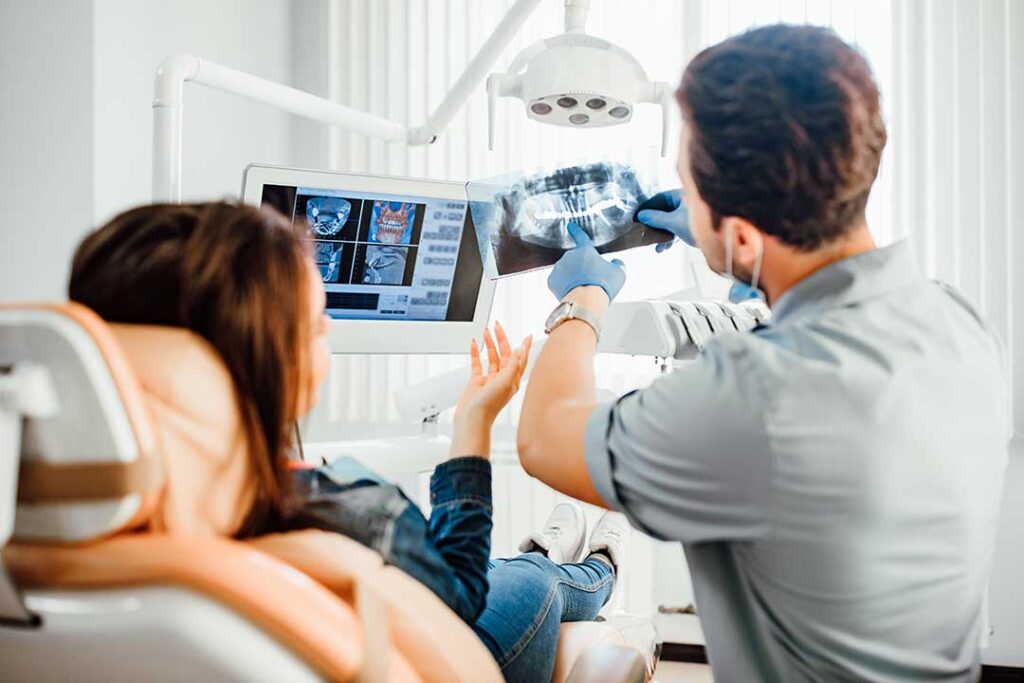
A first dental visit is usually a combination of conversation, an oral examination, possible diagnostic images, and a discussion of next steps. It may not include treatment beyond a cleaning, and the visit can be adapted if you have pain, dental anxiety, a complex medical history, or a specific concern.
What should you bring to a first dental visit?
Bring identification, insurance information if applicable, a list of medications, and details about relevant medical conditions. It is also helpful to bring records from a previous dental office if they are available, especially recent X-rays.
Tell the dental team about:
- Allergies or medication reactions
- Pregnancy or the possibility of pregnancy
- Heart conditions, diabetes, bleeding disorders, or immune system concerns
- Previous dental surgeries or complications with anesthesia
- Jaw pain, teeth grinding, snoring, or sleep-related concerns
- Any current pain, swelling, sensitivity, bleeding, or loose teeth
A complete health history helps the dentist interpret oral findings and plan care safely. Be honest about brushing, flossing, tobacco or nicotine use, sugary drinks, and any difficulty maintaining daily routines. These questions are meant to guide care, not judge habits.
What happens when you arrive?
The first part of the visit usually involves registration and health-history forms. Some offices also record blood pressure or other basic health information.
You may be asked about the reason for the visit, the date of your last dental examination, previous fillings or extractions, and whether you have experienced dental fear. If you are in Easley, SC, it may also be useful to mention practical factors that affect routine care, such as changing work schedules, school calendars, or travel distance within the surrounding community.
The first visit may take longer than a routine checkup because the dental team is learning about your history and establishing a baseline for future comparisons.
What does the dental examination include?
A dental examination checks more than visible cavities. The dentist may examine the teeth, gums, tongue, cheeks, roof of the mouth, jaw joints, and areas of the neck.
The examination may look for:
- Tooth decay and damaged fillings
- Gum inflammation, bleeding, or signs of periodontal disease
- Cracked, worn, loose, or sensitive teeth
- Problems with the bite or jaw movement
- Mouth sores or areas that do not heal normally
- Signs of tooth grinding or clenching
- Changes that may require monitoring or further evaluation
The dentist may use a small mirror, explorer, air, light, and gentle pressure to inspect different areas. These steps are generally straightforward, although sensitive teeth or inflamed gums may make parts of the examination uncomfortable.
An oral cancer screening may also be part of the visit. This does not mean the dentist expects cancer; it is a routine check for unusual changes in the mouth and surrounding tissues.
Will dental X-rays be taken?
Possibly, but not every patient needs the same images. Dental X-rays can show areas that are difficult to see during a visual examination, including between teeth, around tooth roots, beneath existing restorations, and in the jawbone.
The type and number of images depend on factors such as:
- Your age and dental development
- Symptoms or areas of concern
- Previous dental treatment
- Time since earlier X-rays
- Risk of cavities or gum disease
- Whether a tooth is impacted, injured, or difficult to examine
A dentist should consider whether an image is likely to affect diagnosis or treatment. Tell the dental team if you may be pregnant and mention any recent dental imaging from another office. Dental X-rays use a low amount of radiation, but avoiding unnecessary duplication is still sensible.
Some images require biting gently on a small sensor or holding still while the equipment is positioned. The process is usually brief.
Is a cleaning included during the first visit?
A cleaning may be included, but it is not automatic. Whether cleaning happens that day depends on the purpose of the visit, the condition of the gums, the length of the appointment, and whether a more detailed periodontal evaluation is needed.
A routine cleaning removes plaque and hardened deposits from the tooth surfaces. If there is significant inflammation or buildup below the gumline, the recommended care may be different from a standard cleaning.
It is also common for the examination and cleaning to occur during separate visits. That does not necessarily indicate a serious problem. In some cases, separating them allows more time for diagnosis, detailed measurements, or discussion of findings.
What if the first visit is because of pain?
Pain, facial swelling, a broken tooth, or a lost filling changes the purpose of the appointment. The priority is identifying the likely source of the problem and deciding whether urgent treatment is needed.
The dentist may examine the tooth, test its response to temperature or pressure, and take focused X-rays. Treatment options could include monitoring, a filling, repair, extraction, or referral for another type of care.
Severe swelling, trouble breathing or swallowing, uncontrolled bleeding, or a serious facial injury requires urgent medical attention rather than waiting for a routine visit. A fever combined with dental swelling also deserves prompt evaluation.
What questions should you ask?
A first visit is a useful time to ask for plain-language explanations. Consider asking:
- What did you find during the examination?
- Which concerns need attention soon, and which can be monitored?
- Are the recommended X-rays necessary for this concern?
- What symptoms should prompt an earlier visit?
- How can sensitivity, bleeding, or dry mouth be managed?
- What daily habits would make the biggest difference?
- Are there alternatives to the proposed treatment?
- What would happen if a problem is monitored instead of treated immediately?
You can also ask the dentist to show you the area on an X-ray or photograph. Understanding the reason for a recommendation makes it easier to weigh options and remember instructions later.
What happens after the examination?
The dentist should review the findings and explain any recommended next steps. Those steps may include routine preventive care, a follow-up examination, treatment for a specific tooth, gum therapy, additional testing, or no immediate treatment beyond home care.
Not every finding requires same-day treatment. Some early changes can be monitored, while active pain, infection, or progressive damage may require faster attention. Ask which issues are urgent, which are important but non-urgent, and which can safely be observed.
Before leaving, make sure you understand how to manage any temporary sensitivity or discomfort and what symptoms would justify contacting the dental office sooner. Keep written instructions if several recommendations were discussed.
How can nervous patients make the visit easier?
Dental anxiety is common and should be mentioned before the examination begins. Agreeing on a pause signal, asking for explanations before each step, and arranging short breaks can make the experience more manageable.
Helpful preparation may include:
- Arriving with enough time to complete forms without rushing
- Avoiding excessive caffeine if it increases nervousness
- Writing down questions in advance
- Bringing a trusted support person when appropriate
- Telling the dental team about previous unpleasant experiences
- Asking whether treatment can be divided into shorter visits
The first visit is not a test of whether someone has followed perfect oral-health habits. Its purpose is to understand the current condition of the mouth and create a realistic plan for maintaining or improving it.
What is normal after the visit?
Mild gum tenderness or temporary sensitivity can occur after an examination or cleaning, particularly if the gums are inflamed or deposits were removed. These symptoms usually improve with routine oral hygiene and time.
Persistent pain, increasing swelling, fever, a loose tooth, or symptoms that interfere with eating or sleeping should not be ignored. Ask for specific follow-up instructions before leaving so it is clear what is expected and what needs prompt attention.