

 See My Latest Article on HelloNation
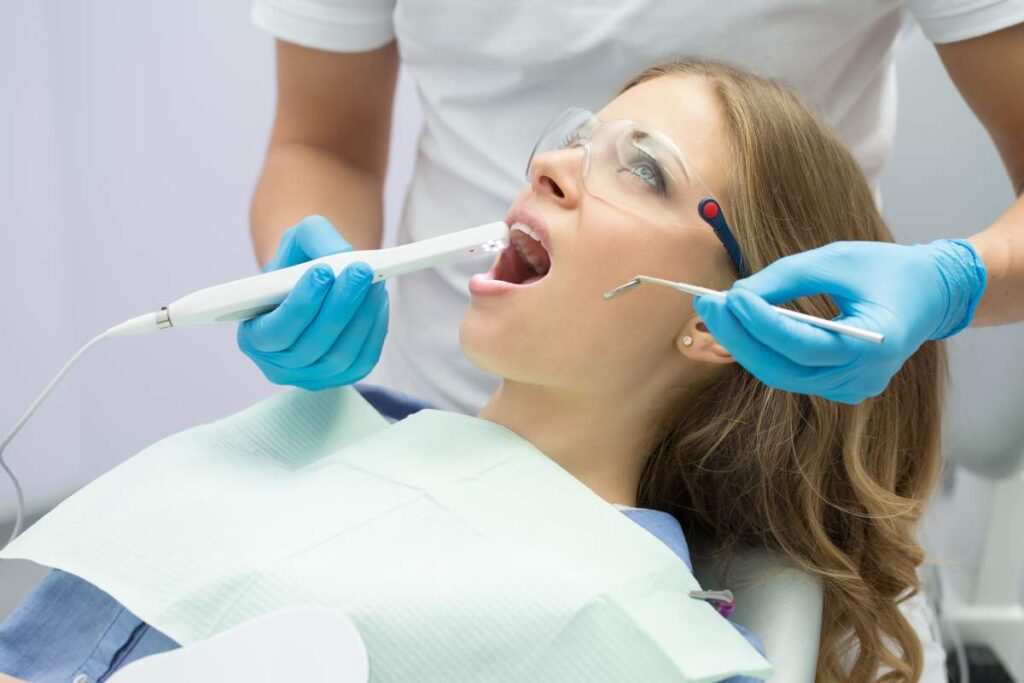
CEREC same-day crowns use digital scanning, computer-aided design, and in-office milling to create a custom crown during one visit. Instead of sending physical impressions to an outside dental laboratory and waiting for a finished restoration, the tooth is digitally measured, designed on a computer, milled from a ceramic block, and prepared for placement in the same appointment.
For residents of Easley, this can reduce the number of visits and may eliminate the need for a temporary crown. However, same-day treatment is not appropriate for every tooth or every patient. The condition of the tooth, the type of restoration needed, the available equipment, and the clinician’s evaluation all affect whether it is a suitable option.
What is a CEREC crown?
A CEREC crown is a tooth-shaped restoration made with chairside CAD/CAM technology. CAD means computer-aided design, while CAM means computer-aided manufacturing. The system creates a digital model of the prepared tooth and uses that information to manufacture the crown.
The crown is generally made from a tooth-colored ceramic or ceramic-based material. Material selection depends on factors such as the tooth’s location, the amount of chewing force it receives, the appearance desired, and the design requirements of the restoration.
A crown covers and protects a weakened tooth. It may be considered for a tooth that has extensive decay, a large filling, a crack, significant wear, or a previous root canal treatment. A crown is different from a filling because it covers more of the tooth and is designed to reinforce or replace a larger amount of lost structure.
What happens during the same-day process?
The process usually includes several stages, even though they may be completed during one visit.
1. The tooth is examined and prepared
The tooth is evaluated to determine whether a crown is appropriate. Any active decay or damaged structure that cannot support the restoration may need to be removed first.
The tooth is then shaped so the crown can fit over it. Local anesthetic is commonly used to keep the procedure comfortable. The amount of tooth reduction varies according to the condition of the tooth and the material selected for the crown.
2. A digital scan replaces traditional impressions
After preparation, a small intraoral scanner captures detailed images of the tooth and surrounding teeth. The software combines those images to create a three-dimensional digital model.
This step avoids the trays filled with impression material that are used in many traditional crown procedures. A digital scan can also help the clinician inspect the bite, neighboring teeth, and the space available for the restoration.
3. The crown is designed on a computer
The digital model is used to design the crown’s shape. The design must account for several details:
- The contour of the prepared tooth
- Contact with adjacent teeth
- The way the upper and lower teeth meet
- The height and width of the crown
- The thickness needed for the selected material
- The appearance of the visible portions of the tooth
The design is not simply a generic cap. It is adjusted to fit the individual tooth and the patient’s bite.
4. The restoration is milled
Once the design is approved, a milling unit carves the crown from a ceramic block. Milling time varies depending on the material, crown design, equipment, and whether additional processing is needed.
Some materials can be polished and placed after milling. Others may require heating, glazing, staining, or additional finishing before they are ready for the mouth. This means “same-day” does not always mean the crown is made instantly; the appointment still includes preparation, design, fabrication, checking, and placement.
5. The fit and bite are checked
Before the crown is attached, it is tried on the tooth. The fit around the edges, contact with neighboring teeth, color, shape, and bite are assessed.
Small adjustments may be made to ensure the crown does not feel too high when biting. This step matters because even a small discrepancy can make chewing uncomfortable or place unnecessary force on the tooth or opposing teeth.
6. The crown is bonded or cemented
The prepared tooth is cleaned and treated according to the requirements of the selected material. The crown is then secured with dental cement or an adhesive bonding system.
Excess cement is removed, and the bite is checked again. A temporary crown is often unnecessary because the final restoration is placed during the same visit.
How long does a CEREC crown appointment take?
The total time depends on the tooth, the complexity of the case, the material, and the workflow used. A straightforward crown may be completed in a few hours, but some appointments take longer.
The time includes more than the milling stage. An appointment may also involve anesthesia, tooth preparation, scanning, computer design, shade selection, crown finishing, fitting, bonding, and final bite adjustments.
Patients should not assume that every same-day crown will be completed in one short sitting. A dentist may also recommend a different treatment plan if the tooth requires additional care.
Are same-day crowns as strong as traditional crowns?

A properly planned and fabricated ceramic crown can be durable, but strength depends on the material, thickness, tooth location, bite forces, and the amount of remaining tooth structure.
Traditional laboratory-made crowns and chairside crowns use a range of materials. Some are designed for high-strength areas, while others prioritize translucency and appearance. The term “CEREC” describes a digital manufacturing system; it does not identify one single crown material or guarantee a particular result.
Ceramic restorations can chip or fracture, especially when exposed to excessive force. Teeth grinding, clenching, chewing ice, biting hard objects, or using teeth as tools can increase the risk of damage. Good oral hygiene and regular dental monitoring help protect the crown and the tooth beneath it.
What are the advantages of a same-day crown?
The most noticeable advantage is fewer visits. A patient may avoid returning later to have a laboratory crown placed and may not need to wear a temporary crown between appointments.
Other potential advantages include:
- Digital impressions instead of traditional impression material
- Immediate evaluation of the crown’s shape and bite
- Fewer interruptions to work, school, caregiving, or household routines
- A restoration made specifically from the tooth’s digital measurements
- A useful option when a temporary crown would be inconvenient
These advantages do not automatically make a same-day crown better for every case. A laboratory-made restoration may be preferred when a tooth requires a more complex design, a specialized material, or a multi-unit restoration.
Who may not be a good candidate?
Same-day crowns may not be suitable when the tooth has insufficient supporting structure, extensive decay below the gumline, an untreated infection, or a fracture extending too far into the root.
A crown may also require more than one visit if the tooth needs root canal treatment, gum treatment, buildup of missing structure, or additional diagnostic evaluation. Some patients need a temporary restoration while the tooth heals or while a more complex laboratory restoration is produced.
People who grind or clench their teeth may need additional protection, such as a night guard, depending on the clinical situation. The crown itself does not eliminate the forces that caused previous dental damage.
What should patients expect after placement?
Mild sensitivity to hot or cold may occur after the tooth is prepared and restored. The gum around the tooth can also feel tender for a short time. Severe pain, swelling, a loose crown, or a bite that feels noticeably uneven should not be ignored.
Normal brushing and flossing remain necessary. Floss should be guided gently around the crown, especially while the gum tissue is settling. Sticky foods and very hard objects can place excessive stress on a new restoration.
Easley’s seasonal changes in temperature do not usually damage a properly placed crown, but everyday habits matter more than weather. Chewing ice, hard candy, pens, or other nonfood items can create concentrated forces that may chip ceramic materials.
How long can a CEREC crown last?
There is no universal expiration date for a crown. Longevity depends on oral hygiene, gum health, bite forces, the quality of the tooth underneath, material selection, and regular dental care.
A crown can still develop decay at its edges if plaque remains around the gumline. It can also wear, loosen, chip, or fracture over time. A crown protects a tooth but does not make it immune to future problems.
The most useful questions to ask before treatment are what material is being recommended, why it fits the tooth’s location, whether a same-day restoration is appropriate, how the bite will be checked, and what habits could shorten its service life.