

 See My Latest Article on HelloNation
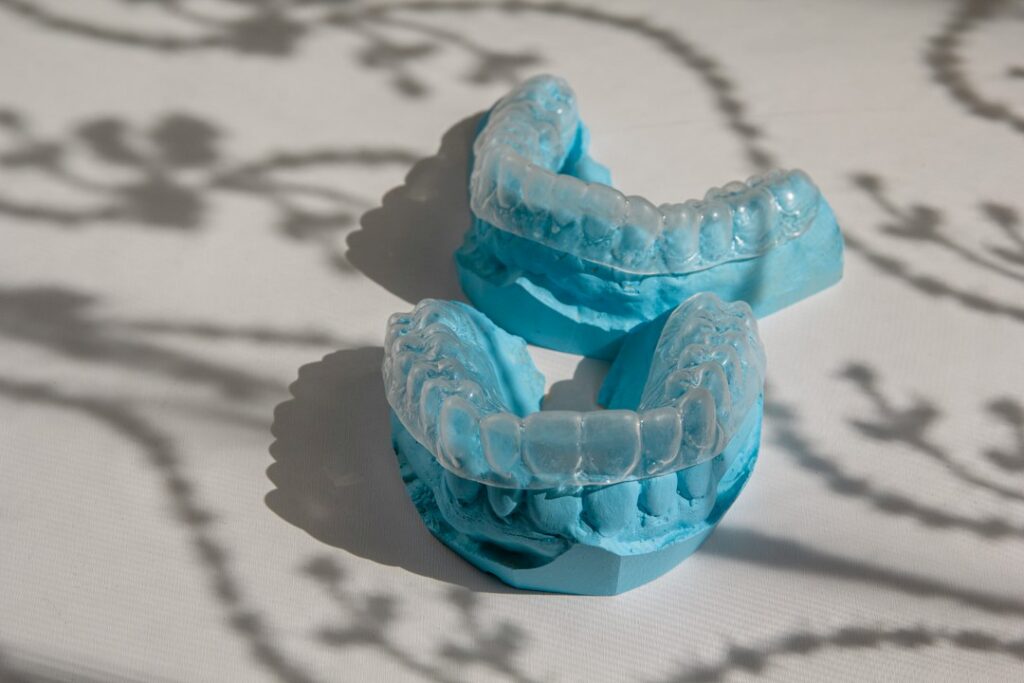
Clear aligners have become a practical alternative to traditional braces for many people who want to improve tooth alignment without wearing metal brackets and wires. SureSmile clear aligners use a series of custom-made, transparent trays to gradually guide teeth into planned positions.
The benefits can include a less noticeable appearance, easier brushing and flossing, and fewer food restrictions. However, results depend on the type of tooth movement needed, consistent wear, and careful monitoring by a licensed dental professional.
How do SureSmile clear aligners straighten teeth?
SureSmile treatment begins with an examination of the teeth, gums, bite, and supporting bone. Digital scans or impressions are used to create a three-dimensional model. A treatment plan then maps how the teeth are expected to move over time.
Instead of shifting teeth all at once, each tray applies gentle pressure to selected areas. A new aligner is usually introduced at planned intervals, often about every one to two weeks, depending on the treatment instructions. Each tray makes a small adjustment, and the full series works toward the intended alignment.
Some patients may need small tooth-colored attachments bonded temporarily to certain teeth. These attachments give the aligners additional surfaces to grip and can help with movements such as rotating a tooth, closing a space, or controlling the angle of a tooth.
What are the main benefits?
A more discreet appearance
Clear aligners are less noticeable than conventional metal braces. This can be useful for adults, older teenagers, and anyone who feels self-conscious about visible orthodontic appliances at work, school, social events, or family gatherings.
The trays are not completely invisible, especially when attachments are used, but they generally attract less attention than brackets and wires.
Removable trays make eating simpler
Aligners can be removed before meals and snacks. That means most people do not need to avoid foods that could damage brackets or become trapped around wires.
Removing the trays also makes it easier to continue eating a varied diet. They should be placed back in the mouth after eating and cleaning the teeth, rather than left out for long periods.
Oral hygiene may be easier
Traditional braces can make brushing and flossing more difficult because brackets and wires create additional areas where plaque collects. Clear aligners are removable, allowing normal access to the tooth surfaces.
This advantage depends on good daily habits. Teeth should be brushed and flossed before replacing the trays whenever possible. Wearing aligners over unclean teeth can hold food particles, sugars, and bacteria against enamel and gum tissue, increasing the risk of cavities, bad breath, and gum inflammation.
Potentially greater comfort for some patients
Clear aligners do not use archwires that may poke the cheeks or brackets that can rub against the lips. The plastic edges can still cause temporary irritation, particularly when a new tray is introduced. Mild pressure or tenderness is also common because the trays are designed to move teeth.
Comfort varies from person to person. A rough edge, persistent sore spot, or tray that does not fit as expected should not be ignored.
Fewer interruptions to daily activities
Because aligners are removable and relatively discreet, many people find them compatible with work, school, public speaking, photography, and recreational activities. They may also be convenient for residents with changing schedules or active household routines.
The tradeoff is personal responsibility. Unlike fixed braces, aligners can be forgotten, misplaced, or removed too often.
Are SureSmile aligners appropriate for everyone?
No. Clear aligners are commonly used for mild to moderate crowding, spacing, and selected bite concerns, but they are not equally predictable for every orthodontic problem.
Traditional braces or another treatment approach may be more suitable for:
- Severe crowding or significant gaps
- Large tooth rotations
- Complex bite abnormalities
- Teeth that are impacted or positioned unusually
- Some cases involving substantial jaw-size differences
- Patients who cannot reliably wear the trays
Existing dental conditions also matter. Untreated cavities, active gum disease, poorly fitting restorations, or other oral health concerns may need attention before aligner treatment begins. Crowns, fillings, bridges, and implants should be reviewed because they can affect how trays fit and how teeth respond to planned movement.
A scan alone cannot determine whether treatment is safe. An in-person evaluation may include dental records, photographs, X-rays, and an assessment of gum health and bite function.
How much time must aligners be worn?

Most treatment plans require aligners to be worn for approximately 20 to 22 hours each day, or according to the instructions provided for the individual case. They are generally removed for eating, drinking anything besides water, brushing, and flossing.
Missing occasional wear may not ruin treatment, but repeated noncompliance can delay progress or cause the trays to stop fitting correctly. Advancing to the next tray before the current one fits properly can also create problems.
In the warm, humid conditions that can occur in Easley, SC, storing trays in a closed container while they are still wet may contribute to odor or bacterial buildup. Rinsing them with cool or lukewarm water and allowing the case to remain clean and dry can help. Hot water should be avoided because it may distort the plastic.
What daily care do aligners require?
Aligners should be rinsed when removed and cleaned as directed. Abrasive toothpaste, very hot water, and harsh household cleaners may scratch or damage the material.
A practical routine includes:
- Brush and floss before replacing the trays whenever feasible.
- Drink plain water while wearing aligners.
- Remove trays for sugary, acidic, colored, or hot beverages.
- Keep the trays in their case when they are not in use.
- Keep pets away from the case, since dogs and other animals may chew the plastic.
- Bring the current trays to monitoring visits if requested.
Cloudiness, persistent odor, cracks, or a sudden change in fit may indicate that the trays need evaluation.
Are there disadvantages or risks?
Clear aligners are not risk-free. Temporary speech changes, increased saliva, pressure, gum irritation, and cheek or tongue soreness can occur. Lost or damaged trays may interrupt treatment.
Poor oral hygiene during treatment can contribute to decay, gum disease, staining, or permanent white spots on enamel. Unsupervised or poorly monitored treatment may also lead to an uneven bite, unwanted tooth movement, worsening pain, or other complications.
New or worsening jaw pain, significant swelling, persistent discomfort, a tray that no longer fits, or a bite that feels different should be reported promptly to the clinician overseeing treatment. Clear aligners should be prescribed and monitored by a licensed dentist or orthodontist rather than obtained through a process that lacks appropriate examination and follow-up.
What happens after the last aligner?
Teeth can shift after orthodontic treatment because the surrounding bone and tissues need time to adapt, and natural changes continue throughout life. Retainers are used to help preserve the alignment achieved with aligners.
Retainer instructions vary. Some people wear them full-time for an initial period and then transition to nighttime use; others receive a different schedule based on their teeth and bite. Long-term retention is usually part of maintaining the result, not an optional final step.
The most useful question is not simply whether SureSmile aligners are clear or removable. It is whether the treatment plan matches the patient’s dental health, orthodontic needs, daily habits, and ability to attend appropriate follow-up care.